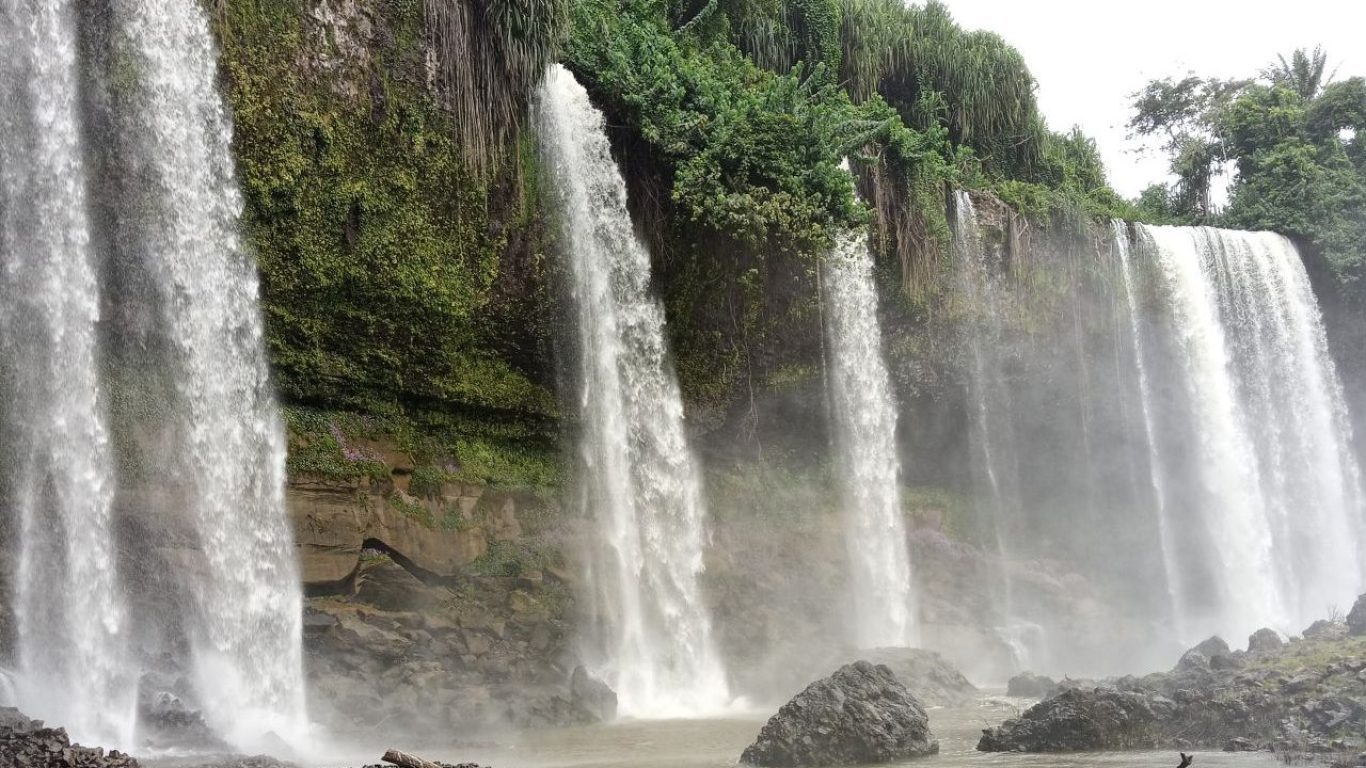
In celebration of this year’s #WorldRiversDay, we highlight some of our work on two rivers along the Cameroon–Nigeria border, in line with this year’s theme: #SaveOurRivers #SaveOurFuture.
This year’s celebration is a call to reflect on the state of our rivers, appreciate their beauty, and renew our collective commitment to safeguarding them for generations to come.
In Cross River State, Nigeria, two rivers tell very different stories:
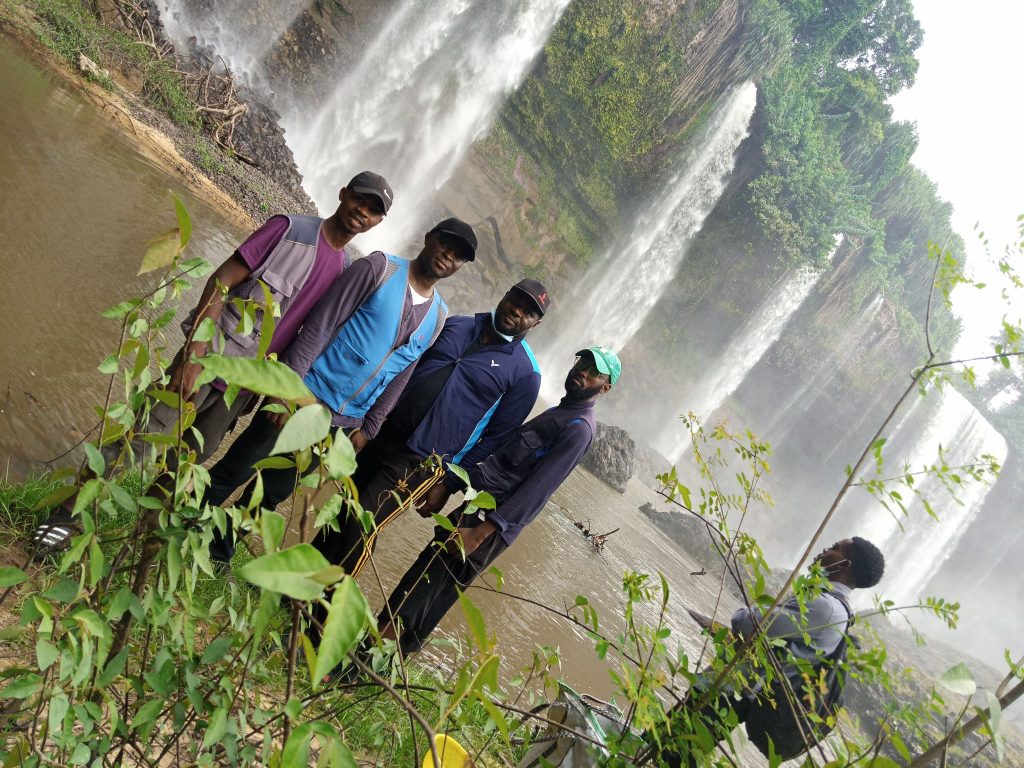
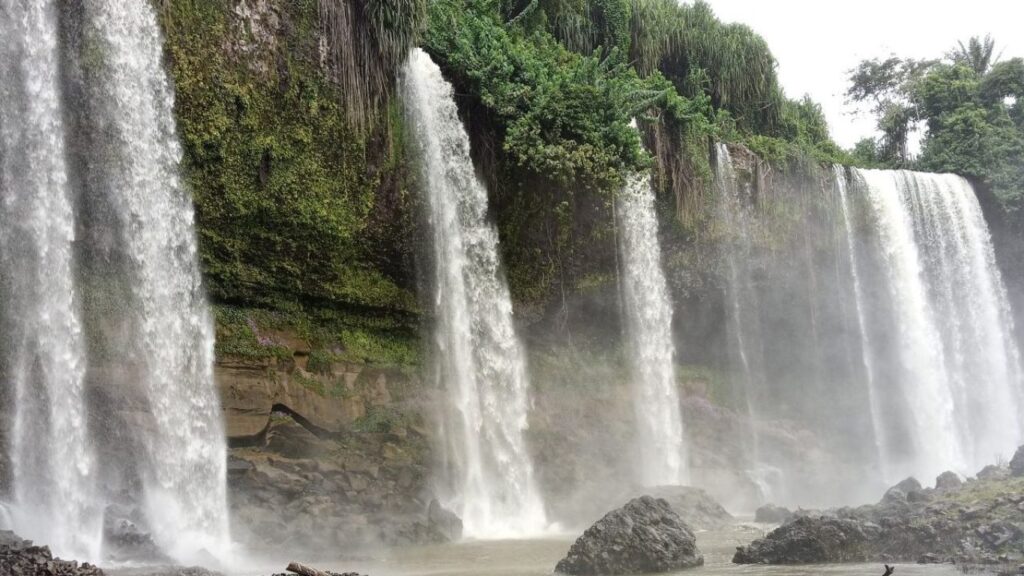
#TheAgbokimRiver, with its magnificent seven-cascade waterfall, faces growing pressures from deforestation of its riparian corridor and domestic pollution.
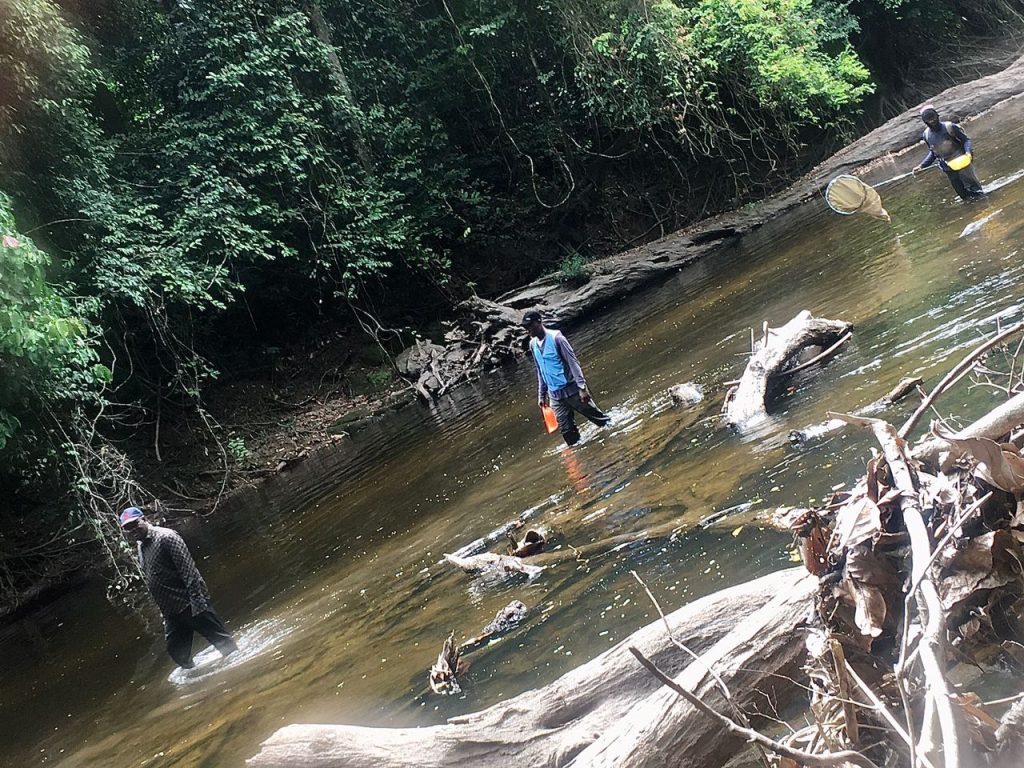
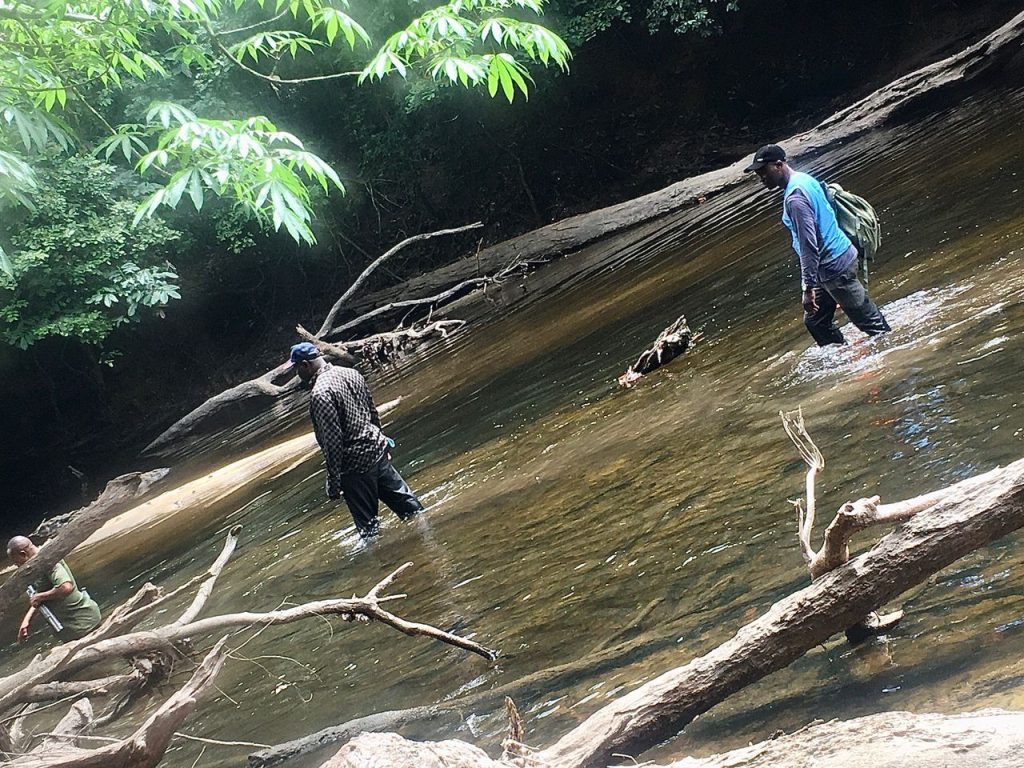
#TheKwaRiver, flowing through a remote forested section of #CrossRiverNationalPark, remains relatively undisturbed and also has a glimpse of what healthy river systems can still look like.
Our research, funded by The British Ecological Society Society, uncovered rare aquatic insects in Nigerian rivers, including species never before recorded in the country (https://lnkd.in/eD7F-U2X). Rivers like Agbokim risk losing this unique biodiversity without urgent action. Policymakers must act now to protect these irreplaceable natural treasures.
On this #WorldRiversDay, let’s protect rivers not only for what they give us (food, water, and tourism) but also for their intrinsic biodiversity, which is irreplaceable once lost. Once our rivers lose their biodiversity, they also lose many tangible benefits that we derive from them.
👉 Rivers are more than just water flowing to the sea; they are living ecosystems, sustaining freshwater biodiversity and supporting life in countless ways.
CRSMEDA West Africa Civil Society Institute (WACSI) The British Ecological Society NCF Nigeria IUCN The Nature Conservancy Emmanuel O. Akindele Abiodun Matthew Adedapo Oluwaseun Temitope Akinpelu Esther Kowobari Fagbohun Ibrahim Tolulope Oladeji